Navigating perimenopause often brings new or changing health challenges, and for many women, migraines can become a more frequent or intense concern. As hormone levels fluctuate, understanding potential connections and supportive approaches is key.
This article explores the relationship between serotonin, migraines, and perimenopause, and examines the available evidence regarding 5-HTP as a potential supportive option. We will review what the research suggests about 5-HTP’s role, particularly in the context of serotonin’s involvement in migraine mechanisms.
Understanding Migraines and Serotonin
Migraines are complex neurological events, not simply severe headaches. They are characterized by a range of symptoms beyond pain, which can include sensitivity to light and sound, nausea, and visual disturbances known as aura [1]. The underlying mechanisms of migraine are not fully understood, but neurotransmitters, particularly serotonin, are thought to play a significant role [1].
Serotonin, also known as 5-hydroxytryptamine (5-HT), is a neurotransmitter involved in numerous bodily functions, including mood regulation, sleep, and pain perception [2]. Its receptors are found throughout the body, including the central nervous system, and have diverse functions [3]. Fluctuations in serotonin levels have long been implicated in the pathophysiology of migraine [4].
During a migraine attack, there may be changes in serotonin activity. Some theories suggest that an initial surge followed by a drop in serotonin levels could contribute to the cascade of events that lead to migraine symptoms [4]. This connection has led researchers to investigate compounds that influence serotonin pathways as potential supportive options for migraine management.
The Perimenopausal Link: Hormones and Migraines
Perimenopause is a transitional phase leading up to menopause, marked by fluctuating hormone levels, primarily estrogen and progesterone. For many women, this period can coincide with changes in migraine patterns, with some experiencing an increase in frequency or intensity of attacks. The interplay between ovarian hormones, such as estrogen, and neurotransmitter systems, including serotonin, is a complex area of research.
Estrogen is known to influence serotonin activity and receptor sensitivity in the brain. Research in animal models suggests that estrogen-dependent effects of 5-hydroxytryptophan (5-HTP) can impact cortical spreading depression, a phenomenon thought to underlie migraine aura [5]. This indicates a potential interaction between ovarian hormones and serotonin pathways that could be relevant to migraine susceptibility during perimenopause. Understanding these hormonal shifts is crucial when considering supportive strategies.
What is 5-HTP and How Does it Relate to Serotonin?
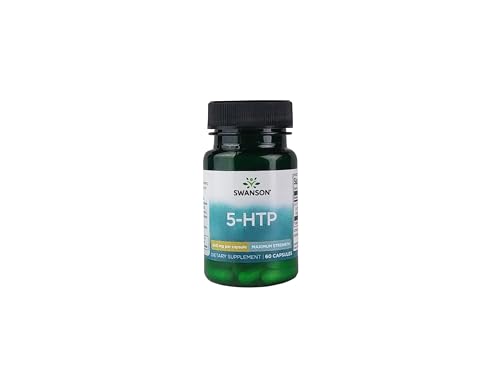
5-Hydroxytryptophan (5-HTP) is a naturally occurring amino acid that serves as a direct precursor to serotonin in the brain [2]. This means that once ingested, 5-HTP can cross the blood-brain barrier and be converted into serotonin [2]. This process makes 5-HTP an interesting compound for research into conditions believed to involve serotonin imbalances.
By potentially increasing serotonin levels in the brain, 5-HTP has been investigated for its possible role in various conditions, including mood support, sleep, and pain perception [2]. Its direct involvement in the serotonin synthesis pathway is why it has been explored in the context of migraine support, particularly given the established link between serotonin and migraine pathophysiology [4].
Evidence for 5-HTP in Migraine Support
Research into 5-HTP for migraine support dates back several decades, with studies exploring its potential to influence migraine frequency and intensity. Some early investigations suggested a possible benefit. For example, a randomized clinical trial compared 5-HTP to methysergide, a medication used for migraine prophylaxis, and found that 5-HTP was comparable to methysergide in reducing the frequency and severity of migraine attacks in adults [6].
Another double-blind crossover study investigated L-5-hydroxytryptophan against a placebo for childhood migraine prophylaxis. This study reported that 5-HTP was effective in reducing the frequency and duration of migraine attacks in children [7]. These findings, while promising, are from specific populations and older studies.
A review on serotonin precursors in migraine prophylaxis also discussed the potential of 5-HTP [8]. However, more recent comprehensive reviews on evidence-based medicine in migraine prevention often emphasize other established options [9], and a Cochrane review on drugs for preventing migraine headaches in children did not specifically highlight 5-HTP as a primary recommendation [10]. This indicates that while early research showed some promise, 5-HTP is not always a first-line consideration in broader clinical guidelines.
The overall evidence strength for 5-HTP in migraine support is moderate. While some older studies suggest positive outcomes, more extensive and contemporary research specifically focusing on 5-HTP for migraines in perimenopausal women is needed to draw definitive conclusions. The existing studies are often small or conducted on broader populations, not exclusively perimenopausal women.
Considering 5-HTP During Perimenopause
Given the hormonal fluctuations characteristic of perimenopause, any supportive strategy, including 5-HTP, should be approached thoughtfully. While 5-HTP aims to support serotonin levels, and serotonin is linked to migraine, the specific interaction with changing estrogen and progesterone levels during perimenopause is not fully elucidated in human studies. The animal research indicating estrogen-dependent effects of 5-HTP on mechanisms related to migraine aura highlights the complexity of this interaction [5].
For women considering 5-HTP for migraine support during perimenopause, it’s important to weigh the existing moderate evidence from general migraine populations against the lack of specific studies in this distinct life stage. Lifestyle modifications, stress management, and identifying individual triggers remain foundational aspects of migraine management during perimenopause, regardless of other supportive approaches.

References
- Pathophysiology of Migraine: A Disorder of Sensory Processing. Physiological reviews, 2017
- Serotonin: a review. Journal of veterinary pharmacology and therapeutics, 2008
- Structural studies of serotonin receptor family. BMB reports, 2023
- Serotonin and migraine. Annals of the New York Academy of Sciences, 1990
- Estrogen-dependent effects of 5-hydroxytryptophan on cortical spreading depression in rat: Modelling the serotonin-ovarian hormone interaction in migraine aura. Cephalalgia : an international journal of headache, 2018
- 5-Hydroxytryptophan versus methysergide in the prophylaxis of migraine. Randomized clinical trial. European neurology, 1986
- L-5-hydroxytryptophan versus placebo in childhood migraine prophylaxis: a double-blind crossover study. Cephalalgia : an international journal of headache, 1986
- Serotonin precursors in migraine prophylaxis. Advances in neurology, 1982
- Evidence-based medicine in migraine prevention. Expert review of neurotherapeutics, 2005
- Drugs for preventing migraine headaches in children. The Cochrane database of systematic reviews, 2003
These statements have not been evaluated by the Food and Drug Administration. This information is not intended to diagnose, treat, cure, or prevent any disease. Content is for informational purposes only and is not medical advice; consult a qualified healthcare provider before starting any supplement. As an Amazon Associate we earn from qualifying purchases.
