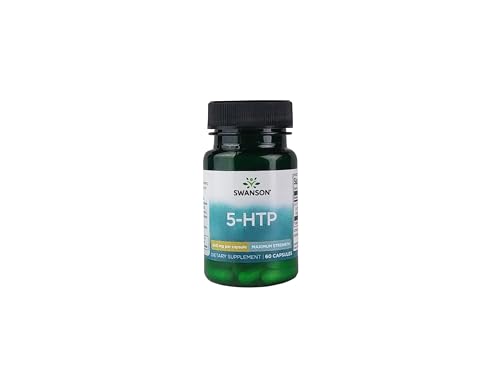
Navigating perimenopause often brings a range of changes, and shifts in mood can be a common experience. Many women seek information about supportive approaches during this time. 5-Hydroxytryptophan, or 5-HTP, is a compound that has garnered interest for its role as a precursor to serotonin, a neurotransmitter involved in mood regulation.
This article explores what current research indicates regarding 5-HTP’s potential influence on mood during perimenopause. We will examine the available evidence, focusing on how 5-HTP works and what studies suggest about its effects, while also emphasizing important safety considerations.
Understanding 5-HTP and Serotonin’s Role
5-HTP is a naturally occurring amino acid that serves as a direct precursor to serotonin in the brain [1]. Serotonin is a neurotransmitter that plays a significant role in various bodily functions, including mood, sleep, appetite, and digestion. The body converts tryptophan, an essential amino acid found in protein-rich foods, into 5-HTP, which then crosses the blood-brain barrier to be converted into serotonin [1].
During perimenopause, fluctuating hormone levels, particularly estrogen, can influence serotonin pathways. Estrogen is known to modulate serotonin synthesis and receptor activity. Changes in these pathways may contribute to the mood shifts that some women experience during this life stage. The idea behind 5-HTP supplementation is to potentially support serotonin availability in the brain, thereby possibly influencing mood regulation.
Research on 5-HTP and Mood
Research into 5-HTP’s effects on mood has been ongoing for several decades, though specific studies focusing exclusively on perimenopausal mood are limited. Some studies have explored 5-HTP’s general influence on mood and related conditions. For instance, early research investigated 5-HTP in contexts like anxiety disorders, with one study comparing it to an uptake inhibitor and placebo, noting some effects [2]. Another study examined serotonin precursors in chronic primary headache, comparing L-5-hydroxytryptophan to placebo [3].
More recent research has continued to explore 5-HTP’s impact. A 2021 study, for example, found that 5-hydroxytryptophan supplementation impacted social cognition on both neural and behavioral levels in a randomized controlled trial [4]. While these studies don’t specifically target perimenopause, they contribute to the broader understanding of how 5-HTP may influence brain function and mood-related processes. It’s important to note that the existing evidence, while indicating some effects, is not consistently strong across all mood-related applications, and direct relevance to perimenopausal mood specifically requires further dedicated research.

5-HTP and Cognitive Function
Beyond mood, some studies have also touched upon 5-HTP’s potential influence on cognitive functions, which can also be affected during perimenopause. A study published in 2013 investigated the effects of oral 5-hydroxytryptophan on a standardized planning task, offering insights into possible dopamine/serotonin interactions in the forebrain [5]. This suggests that 5-HTP’s influence might extend beyond just mood to aspects of cognitive processing.
Looking ahead, a randomized controlled trial published in 2025 specifically aims to investigate the impact of 5-Hydroxytryptophan supplementation on cognitive function and mood in Singapore older adults [6]. While this study focuses on older adults rather than perimenopausal women specifically, its findings could offer further insights into 5-HTP’s broader effects on both mood and cognition in an aging population. The results of such research can help to build a more comprehensive picture of 5-HTP’s potential benefits.
Considerations for Perimenopausal Women
Perimenopause is a time of significant hormonal fluctuation, which can impact various bodily systems, including those that regulate mood. While 5-HTP’s role as a serotonin precursor is well-established [1], the direct evidence for its specific effects on perimenopausal mood symptoms is still developing. The existing research on 5-HTP’s influence on mood and cognitive function, while not always specific to perimenopause, provides a foundation for understanding its potential mechanisms.
It’s crucial for women considering 5-HTP during perimenopause to approach it with careful consideration and awareness. The body’s response to supplements can vary, and what works for one person may not work for another. Understanding the general scientific findings can help inform personal decisions, but they should always be made in consultation with a healthcare professional.
References
- Serotonin a la carte: supplementation with the serotonin precursor 5-hydroxytryptophan. Pharmacology & therapeutics, 2006
- Effect of a serotonin precursor and uptake inhibitor in anxiety disorders; a double-blind comparison of 5-hydroxytryptophan, clomipramine and placebo. International clinical psychopharmacology, 1987
- Serotonin precursors in chronic primary headache. A double-blind cross-over study with L-5-hydroxytryptophan vs. placebo. Journal of neurosurgical sciences, 1985
- Tryptophan-enriched diet or 5-hydroxytryptophan supplementation given in a randomized controlled trial impacts social cognition on a neural and behavioral level. Scientific reports, 2021
- Effects of oral 5-hydroxytryptophan on a standardized planning task: insight into possible dopamine/serotonin interactions in the forebrain. Human psychopharmacology, 2013
- The Impact of 5-Hydroxytryptophan Supplementation on Cognitive Function and Mood in Singapore Older Adults: A Randomized Controlled Trial. Nutrients, 2025
These statements have not been evaluated by the Food and Drug Administration. This information is not intended to diagnose, treat, cure, or prevent any disease. Content is for informational purposes only and is not medical advice; consult a qualified healthcare provider before starting any supplement. As an Amazon Associate we earn from qualifying purchases.
