Perimenopause can bring a range of changes, and for many women, sleep disturbances become a significant concern. The fluctuating hormones of this life stage can disrupt sleep patterns, leading to challenges with falling asleep, staying asleep, or experiencing restorative rest. As individuals seek ways to navigate these changes, natural compounds like 5-hydroxytryptophan (5-HTP) sometimes come into consideration.
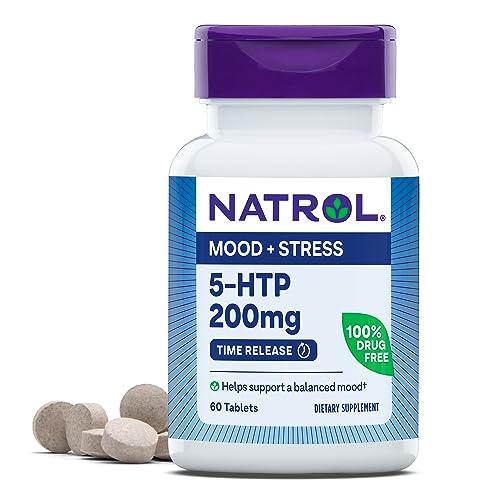
5-HTP is a naturally occurring amino acid that is a precursor to serotonin, a neurotransmitter involved in mood, sleep, and appetite. Given its role in serotonin production, there’s interest in understanding whether 5-HTP supplementation might offer support for sleep difficulties, particularly for those experiencing perimenopausal sleep disruptions. This article will explore the current evidence regarding 5-HTP and sleep, focusing on what research suggests and what realistic expectations might be for women in midlife.
Understanding Perimenopausal Sleep Changes
Before delving into 5-HTP, it’s helpful to acknowledge why sleep often becomes more challenging during perimenopause. Hormonal shifts, particularly in estrogen and progesterone, can impact the body’s sleep-wake cycle and thermoregulation. Hot flashes and night sweats, common perimenopausal symptoms, can also frequently interrupt sleep, leading to fragmented rest and daytime fatigue. Addressing sleep concerns during this period often involves a multi-faceted approach, and some individuals explore dietary supplements as part of their strategy.
How 5-HTP Relates to Sleep
5-HTP is a direct precursor to serotonin, which in turn can be converted into melatonin, a hormone crucial for regulating the sleep-wake cycle. The body naturally produces 5-HTP from the essential amino acid L-tryptophan. When supplemented, 5-HTP can cross the blood-brain barrier and is then converted into serotonin in the brain. This pathway is why 5-HTP is sometimes explored for its potential influence on sleep patterns and mood. The idea is that by supporting serotonin levels, and subsequently melatonin production, 5-HTP might help to modulate sleep.
Current Research on 5-HTP and Sleep Quality
Research into 5-HTP and sleep has yielded some interesting findings, though it’s important to consider the context of these studies. A randomized controlled trial involving older adults examined the impact of 5-HTP supplementation on sleep quality. This study found that participants who received 5-HTP experienced improvements in sleep quality [1]. However, it’s worth noting that the study population was older adults, not specifically women in perimenopause, and a subsequent comment on this study suggested that the observed effects might be modest [2].
Another randomized, placebo-controlled trial investigated an amino acid preparation that included 5-HTP, alongside L-tryptophan and other nutrients, on sleep timing and quality. This study indicated that the preparation could influence aspects of sleep [3]. While this suggests a potential role, it’s challenging to isolate the specific impact of 5-HTP when it’s combined with other active ingredients. Furthermore, a preliminary study focused on REM sleep behavior disorder in Parkinson’s disease found 5-HTP to be safe and potentially effective in that specific context [4], but this is a very different population and sleep issue than general perimenopausal insomnia.
Overall, the evidence base for 5-HTP’s direct impact on general sleep quality in perimenopausal women is moderate. While some studies suggest benefits, they often involve different populations or formulations, making direct extrapolation to perimenopausal sleep challenges difficult. More targeted research on women experiencing perimenopausal sleep disturbances would provide clearer insights.
Realistic Expectations for 5-HTP in Perimenopause
Given the current evidence, it’s important to maintain realistic expectations when considering 5-HTP for perimenopausal sleep difficulties. While some studies point to potential benefits in general sleep quality or specific sleep disorders, these findings do not directly confirm significant improvements for the unique sleep challenges of perimenopause. Sleep issues during this time are often multifactorial, influenced by hormonal shifts, vasomotor symptoms, and psychological factors. Therefore, a single supplement may not be a comprehensive solution.
Individuals exploring 5-HTP for sleep should consider it as one potential component of a broader approach to sleep hygiene and overall well-being. This might include optimizing sleep environment, establishing a consistent sleep schedule, managing stress, and discussing other perimenopausal symptom management strategies with a healthcare provider. The effects of 5-HTP, if experienced, may be subtle rather than dramatic.
Safety Considerations and Potential Interactions
When considering any supplement, safety is paramount. 5-HTP is generally considered safe for short-term use in healthy individuals, but it can have side effects. These may include gastrointestinal issues such as nausea, vomiting, diarrhea, and stomach pain. There are also important considerations regarding potential interactions with other medications.
Because 5-HTP increases serotonin levels, it should be used with caution, or avoided entirely, if you are taking medications that also affect serotonin, such as antidepressants (SSRIs, SNRIs), triptans for migraines, or certain over-the-counter cough and cold medicines. Combining 5-HTP with these substances could potentially lead to excessively high serotonin levels, a condition known as serotonin syndrome, which can be serious. Always discuss any supplements with a healthcare professional, especially if you are taking other medications or have underlying health conditions.

References
- The impact of 5-hydroxytryptophan supplementation on sleep quality and gut microbiota composition in older adults: A randomized controlled trial. Clinical nutrition (Edinburgh, Scotland), 2024
- Comment on “The impact of 5-hydroxytryptophan supplementation on sleep quality and gut microbiota composition in older adults: A randomized controlled trial” clinical nutrition 2024. Clinical nutrition (Edinburgh, Scotland), 2024
- A randomized, placebo-controlled trial of an amino acid preparation on timing and quality of sleep. American journal of therapeutics, 2010
- Preliminary finding of a randomized, double-blind, placebo-controlled, crossover study to evaluate the safety and efficacy of 5-hydroxytryptophan on REM sleep behavior disorder in Parkinson’s disease. Sleep & breathing = Schlaf & Atmung, 2022
These statements have not been evaluated by the Food and Drug Administration. This information is not intended to diagnose, treat, cure, or prevent any disease. Content is for informational purposes only and is not medical advice; consult a qualified healthcare provider before starting any supplement. As an Amazon Associate we earn from qualifying purchases.
