Perimenopause can bring a range of changes, and for many women, managing appetite and weight becomes a new challenge. As hormone levels fluctuate, some individuals may find themselves experiencing shifts in their metabolism and body composition. This can lead to questions about various approaches to support overall well-being during this transitional phase.
This article explores the current understanding of 5-HTP’s potential influence on appetite and weight, particularly for women navigating perimenopause. We will review the available evidence, discuss how 5-HTP might interact with the body’s systems, and outline important safety considerations. Our aim is to provide clear, evidence-based information to help you make informed decisions.
Understanding 5-HTP and Serotonin’s Role in Appetite
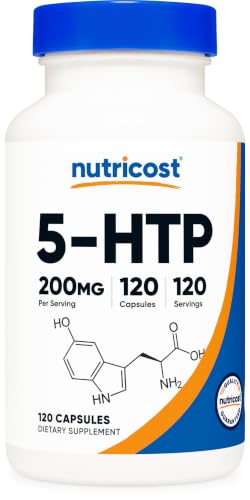
5-hydroxytryptophan (5-HTP) is a precursor to serotonin, a neurotransmitter that plays a role in various bodily functions, including mood, sleep, and appetite regulation. Serotonin is a key component in the complex system that influences how full or hungry we feel [1].
The brain’s serotonin system is involved in signaling satiety, which is the feeling of being full and satisfied after eating [2]. When serotonin levels are balanced, it may contribute to better regulation of food intake and a reduction in cravings. This is why some pharmacological approaches to appetite suppression have focused on modulating serotonin pathways [3], [4].
It’s important to understand that while serotonin plays a role in appetite, the body’s systems are intricate, and many factors contribute to weight management. Dieting and weight loss, for example, do not appear to affect the platelet serotonin 5-HT2A receptor, suggesting that other mechanisms are at play beyond simple receptor activity [5].
Perimenopause and Weight Changes: The Context
Perimenopause is a time of significant hormonal fluctuation, primarily in estrogen and progesterone. These hormonal shifts can influence metabolism, fat distribution, and potentially appetite. Many women report experiencing weight gain or difficulty losing weight during this period, even without significant changes in diet or activity levels.
While direct research specifically on 5-HTP and weight management in perimenopausal women is limited, understanding the general mechanisms of 5-HTP and serotonin can offer insights. The changes in hormone levels during perimenopause can indirectly affect neurotransmitter balance, potentially impacting appetite signals. Therefore, exploring approaches that support serotonin balance is a natural area of interest for some individuals.
5-HTP and Appetite Regulation: What the Studies Suggest
Research into 5-HTP’s influence on appetite has generally focused on its ability to support serotonin levels, which, as mentioned, are linked to feelings of satiety [2]. By potentially increasing serotonin availability in the brain, 5-HTP might help some individuals feel fuller more quickly and for longer periods, potentially leading to a reduced overall caloric intake.
Some studies have explored 5-HTP’s potential in managing appetite. While not specifically focused on perimenopausal women, these investigations have looked at general populations. The concept is that by enhancing serotonin’s signaling related to satiety, 5-HTP could support efforts to manage food intake. However, the strength of this evidence, particularly for long-term weight management, is considered moderate, and more targeted research is needed.
It’s crucial to remember that these studies often involve specific dosages and controlled environments. The results may not be universally applicable, and individual responses can vary significantly. Weight management is a multifaceted challenge, and any single supplement is typically considered only one part of a broader, holistic approach.
Safety Considerations and Potential Interactions
While 5-HTP is available as a dietary supplement, it’s important to approach its use with caution, especially during perimenopause when the body is undergoing significant changes. Potential side effects can include nausea, diarrhea, vomiting, stomach pain, drowsiness, and muscle problems. These are often dose-dependent.
5-HTP can interact with various medications, particularly those that also affect serotonin levels. These include certain antidepressants (SSRIs, SNRIs, MAOIs), migraine medications (triptans), and even some over-the-counter cold and cough medicines. Combining 5-HTP with these substances could lead to an excessive increase in serotonin, a potentially serious condition known as serotonin syndrome. Therefore, discussing 5-HTP use with a healthcare provider is essential, especially if you are taking any prescription medications.
There is also a lack of long-term safety data for 5-HTP, and its effects on individuals with pre-existing health conditions are not fully understood. Women in perimenopause should be particularly mindful of these considerations, given the hormonal shifts and potential for new health concerns to emerge during this life stage.

References
- Serotonin conflict in sleep-feeding. Vitamins and hormones, 2012
- Pharmacology of appetite suppression. Progress in drug research. Fortschritte der Arzneimittelforschung. Progres des recherches pharmaceutiques, 2000
- Pharmacological management of obesity. Expert opinion on pharmacotherapy, 2002
- Sibutramine and the management of obesity. Expert opinion on pharmacotherapy, 2004
- Dieting and weight loss do not affect on the platelet serotonin 5-HT2A receptor. European neuropsychopharmacology : the journal of the European College of Neuropsychopharmacology, 2004
These statements have not been evaluated by the Food and Drug Administration. This information is not intended to diagnose, treat, cure, or prevent any disease. Content is for informational purposes only and is not medical advice; consult a qualified healthcare provider before starting any supplement. As an Amazon Associate we earn from qualifying purchases.
