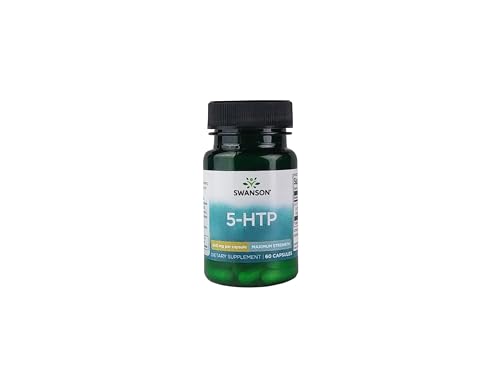
Navigating perimenopause often brings a range of changes, and for many women, ‘brain fog’ is a frequently discussed experience. This can involve difficulties with memory, focus, and mental clarity, impacting daily life. As individuals seek ways to support their well-being during this transition, interest in supplements like 5-HTP (5-hydroxytryptophan) has grown.
This article explores the current understanding of 5-HTP’s potential connection to cognitive function, particularly in the context of perimenopausal brain fog. It’s important to note that research specifically linking 5-HTP to cognitive benefits in perimenopausal women is limited, and much of the existing evidence comes from broader studies on serotonin and cognition.
Understanding Brain Fog in Perimenopause
Brain fog is a common complaint during perimenopause and menopause, characterized by symptoms such as difficulty concentrating, memory lapses, and a general feeling of mental fogginess. While the exact mechanisms are still being researched, hormonal fluctuations, particularly in estrogen, are thought to play a role in these cognitive changes. These experiences can be disruptive and lead individuals to explore various avenues for support.
It’s helpful to consider the complex interplay of factors that can influence cognitive function during this life stage. Beyond hormones, stress, sleep quality, and overall lifestyle choices can also contribute to how one experiences mental clarity and sharpness.
The Role of Serotonin in Cognitive Function
5-HTP is a precursor to serotonin, a neurotransmitter that plays a significant role in various bodily functions, including mood, sleep, and appetite. Serotonin also has an established connection to cognitive processes. Research indicates that serotonin is involved in cognitive function [1]. Studies have explored the influence of tryptophan (from which 5-HTP is derived) and serotonin on mood and cognition [2].
Higher serotonin levels have been associated with potential benefits in specific cognitive areas. For instance, serotonin can affect learning and memory [1]. Understanding serotonin’s broader impact on the brain provides a foundation for exploring how its precursor, 5-HTP, might indirectly influence cognitive experiences like brain fog.

5-HTP and the Gut-Brain Axis
An emerging area of research highlights the gut-brain axis, a bidirectional communication system between the gut microbiota and the central nervous system. This axis is increasingly recognized for its influence on cognitive function. The gut microbiota can mediate aspects of cognitive function [3]. Serotonin itself has been shown to attenuate chronic stress-induced cognitive impairment in mice, partly through its interaction with intestinal flora [4].
Given that a significant portion of the body’s serotonin is produced in the gut, the interaction between 5-HTP, serotonin, and the gut microbiome presents an interesting pathway for potential cognitive effects. While research on 5-HTP’s direct impact on the gut-brain axis in humans and its specific link to perimenopausal brain fog is still developing, the broader understanding of this axis suggests a complex interplay that could influence overall mental clarity.
Current Evidence on 5-HTP and Cognition
While serotonin’s role in cognitive function is recognized [1], direct, robust evidence specifically linking 5-HTP supplementation to the alleviation of brain fog in perimenopausal women is limited. Most studies on serotonin and cognition are either broad in scope, focus on specific conditions like depression or Alzheimer’s disease [5], or involve animal models [4]. For example, research has examined psychiatric and cognitive function in patients with serotonin-producing neuroendocrine tumors, providing insights into serotonin’s impact, but this is a very specific population [6].
It is important to emphasize that while 5-HTP may influence serotonin levels, and serotonin is involved in cognition, this does not automatically translate into a proven benefit for perimenopausal brain fog. The available research offers theoretical frameworks and preliminary findings but does not yet provide conclusive evidence for 5-HTP as a specific intervention for cognitive challenges during this life stage. More targeted research on 5-HTP and perimenopausal cognitive changes is needed to draw definitive conclusions.
References
- The role of serotonin in cognitive function: evidence from recent studies and implications for understanding depression. Journal of psychopharmacology (Oxford, England), 2013
- Influence of Tryptophan and Serotonin on Mood and Cognition with a Possible Role of the Gut-Brain Axis. Nutrients, 2016
- Gut microbiota mediates intermittent-fasting alleviation of diabetes-induced cognitive impairment. Nature communications, 2020
- 5-HT attenuates chronic stress-induced cognitive impairment in mice through intestinal flora disruption. Journal of neuroinflammation, 2023
- Serotonin in depression and Alzheimer’s disease: Focus on SSRI’s beneficial effects. Ageing research reviews, 2024
- Psychiatric and cognitive function in patients with serotonin producing neuroendocrine tumors. Translational psychiatry, 2025
These statements have not been evaluated by the Food and Drug Administration. This information is not intended to diagnose, treat, cure, or prevent any disease. Content is for informational purposes only and is not medical advice; consult a qualified healthcare provider before starting any supplement. As an Amazon Associate we earn from qualifying purchases.
