Serotonin, often referred to as a ‘feel-good’ neurotransmitter, is a chemical messenger that plays a complex and far-reaching role throughout the human body. While commonly associated with brain function, serotonin’s influence extends to various systems, impacting everything from digestion to mood regulation.
For women in midlife and during menopause, understanding the role of serotonin can be particularly relevant. Fluctuations in hormones during these life stages can sometimes influence neurotransmitter systems, making it valuable to learn more about how serotonin contributes to overall well-being.
What is Serotonin?
Serotonin, scientifically known as 5-hydroxytryptamine (5-HT), is a monoamine neurotransmitter. This means it’s a chemical produced by nerve cells to transmit signals across synapses, which are the junctions between nerve cells. While its role as a neurotransmitter in the brain is well-known, a significant portion of the body’s serotonin is found outside the central nervous system, particularly in the gastrointestinal (GI) tract [1].
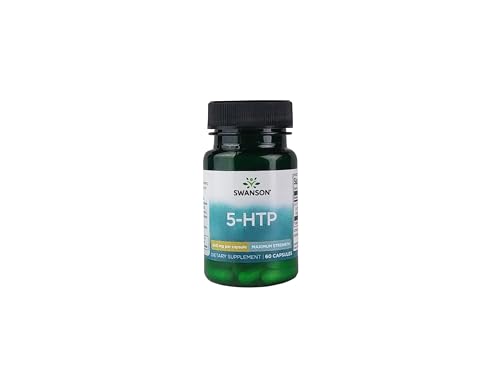
The production of serotonin begins with the essential amino acid tryptophan. Tryptophan is obtained through diet and is then converted into 5-hydroxytryptophan (5-HTP), which is subsequently converted into serotonin by an enzyme called aromatic L-amino acid decarboxylase [2]. This process highlights the importance of dietary intake and efficient metabolic pathways for serotonin synthesis. Genetic variations can influence how tryptophan supplementation affects serotonin function [3].
Serotonin’s Diverse Functions Beyond the Brain
While serotonin’s role in mood is widely recognized, its functions are remarkably diverse and extend far beyond the brain. In fact, the majority of serotonin in the body is found in the gastrointestinal tract, where it plays a critical role in regulating gut motility and function [1]. It can also influence the function of immune cells within the intestines [4]. This extensive presence in the gut underscores its importance in digestive health.
Beyond the gut, serotonin also has a function within the liver [5]. Its widespread distribution across different organ systems indicates that serotonin is a multifaceted chemical messenger, influencing numerous physiological processes throughout the body. This broad impact means that imbalances in serotonin levels or signaling can potentially affect multiple bodily systems.
Serotonin and Mood Regulation
In the brain, serotonin acts as a crucial neurotransmitter involved in regulating mood, feelings of well-being, and happiness. It plays a role in various cognitive functions, including memory and learning. Imbalances in serotonin levels or its signaling pathways in the brain are often associated with mood changes.
Many approaches aimed at supporting mood balance often focus on modulating serotonin activity in the brain. Understanding serotonin’s contribution to mood is particularly relevant for women, as there can be sex differences in how serotonergic systems modulate certain brain pathways involved in emotional responses [6].

Serotonin and Women’s Midlife Health
During midlife and menopause, women experience significant hormonal shifts, particularly in estrogen levels. These hormonal changes can influence neurotransmitter systems, including those involving serotonin. For example, some women experience changes in mood and emotional well-being that may be linked to these fluctuating neurochemical balances.
Premenstrual syndromes, which can include mood-related changes, have been linked to serotonin function [7]. While menopause is a distinct physiological process, the concept of hormonal influence on serotonin remains relevant. Serotonin also plays a role in pain perception, which is notable given that migraine, a type of headache often experienced by women, is associated with serotonergic mechanisms [8].
The intricate interplay between hormones and neurotransmitters like serotonin means that supporting balanced serotonin levels may be a consideration for women navigating the unique physiological changes of midlife and menopause.
Safety Considerations and Serotonin
While serotonin is vital for many bodily functions, it is important to understand that having too much serotonin can lead to a potentially serious condition known as serotonin syndrome or serotonin toxicity [9]. This condition can arise from interactions between certain medications, particularly those that increase serotonin levels, or from very high doses of serotonin-modulating substances.
Similarly, discontinuing certain medications that affect serotonin can lead to what is known as antidepressant discontinuation syndrome, which can involve a range of physical and psychological changes [10]. These points underscore the delicate balance of serotonin in the body and the importance of professional guidance when considering any interventions that might influence serotonin levels.
References
- The serotonin signaling system: from basic understanding to drug development for functional GI disorders. Gastroenterology, 2007
- Consensus guideline for the diagnosis and treatment of aromatic l-amino acid decarboxylase (AADC) deficiency. Orphanet journal of rare diseases, 2017
- Tryptophan supplementation and serotonin function: genetic variations in behavioural effects. The Proceedings of the Nutrition Society, 2018
- Mouse enteric neurons control intestinal plasmacytoid dendritic cell function via serotonin-HTR7 signaling. Nature communications, 2024
- The function of serotonin within the liver. Journal of hepatology, 2008
- Serotonergic modulation of the BNST-CeA pathway reveals sex differences in fear learning. Nature neuroscience, 2025
- Premenstrual syndromes. Annual review of medicine, 1997
- European Headache Federation (EHF) consensus on the definition of effective treatment of a migraine attack and of triptan failure. The journal of headache and pain, 2022
- Management of serotonin syndrome (toxicity). British journal of clinical pharmacology, 2025
- Antidepressant discontinuation syndrome: A state-of-the-art clinical review. European neuropsychopharmacology : the journal of the European College of Neuropsychopharmacology, 2023
These statements have not been evaluated by the Food and Drug Administration. This information is not intended to diagnose, treat, cure, or prevent any disease. Content is for informational purposes only and is not medical advice; consult a qualified healthcare provider before starting any supplement. As an Amazon Associate we earn from qualifying purchases.
